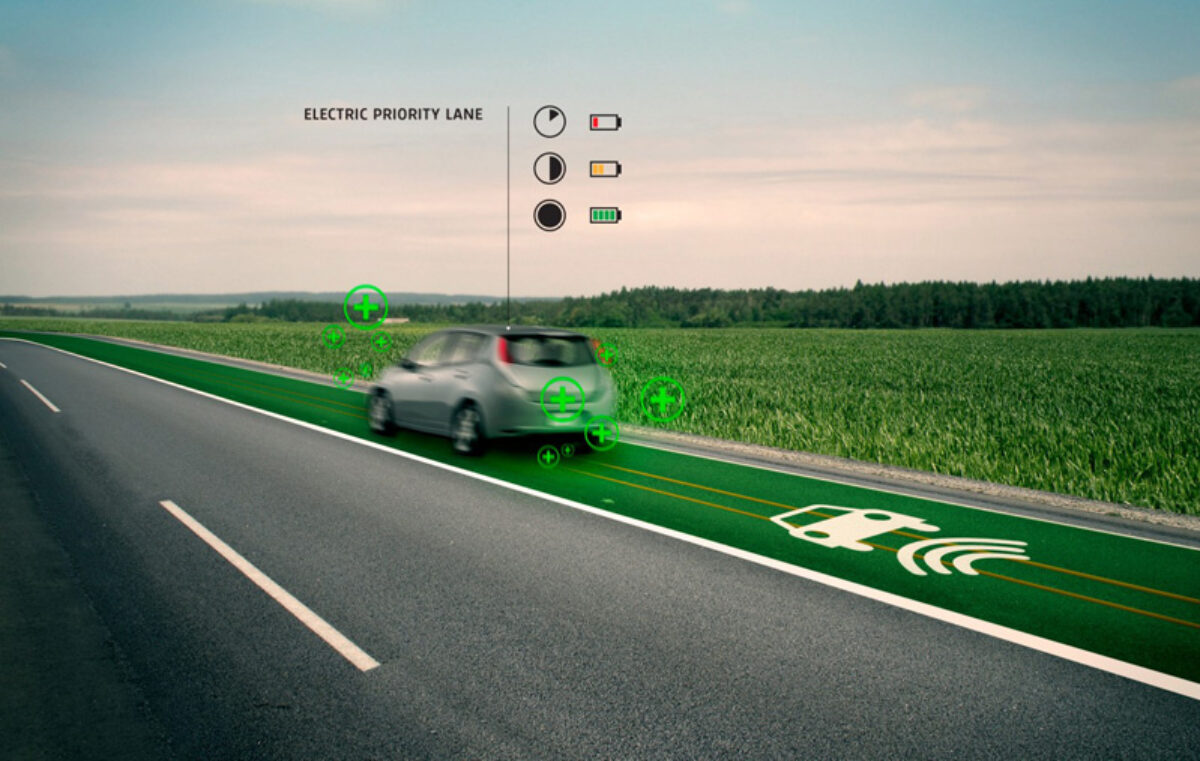
Glowing Futuristic Roads to Be Installed in the Netherlands by Mid-2013
Vivian Doumpa

The days when the 'Internet of Things' will no longer be a vision but a daily experience seem to be approaching faster and faster. In Volume’s issue #28, back in 2011, we have featured interviews, visions and envisions of how the IoT world would be like. The interaction between objects through their connection to the same information network allows the systematic programming and adaption of functions without the human interference. This concept has also been adopted in the field of transportations. European Commission, through a specific council and initiatives, has been funding a series of research programmes related to IoT. Some of those focus on the use of IoT in order to make European transportation systems more efficient and of course safer.

The Cycle of Japan Lecture Series
Jeroen Beekmans

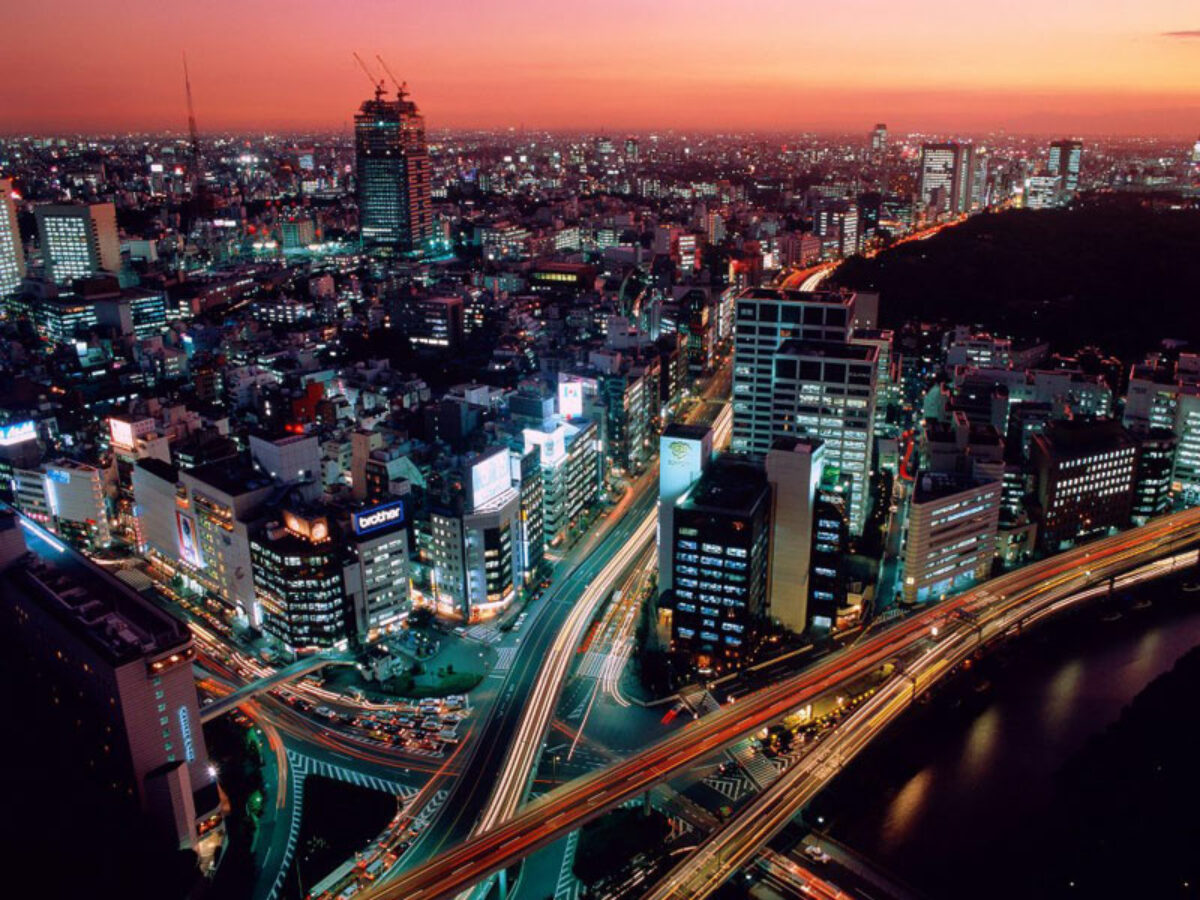
The Cycle of Japan is a new lecture series at the Academy of Architecture in Amsterdam, that focuses on what the Netherlands can learn from Japanese urban practice. Edwin Gardner will kick off the series with a talk on 14 February. In the last decades development in the Netherlands is often equated to a linear process of more buildings, more cities and more square meters per person. With the recent economic crisis, this expansion mechanism has come to an abrupt halt. Due to the economic crisis of the 90s and an aging population Japan has long been engaged in a cyclical construction where growth and shrinkage are not opposites and where progress is sought in change, metamorphosis and and small amount of available space for housing. The central question in this Capita Selecta lecture series is: what can we learn from the Japanese condition in the Netherlands?

Launch of Volume #34 at Athenaeum Amsterdam
Jeroen Beekmans
Volume #34: City in a Box

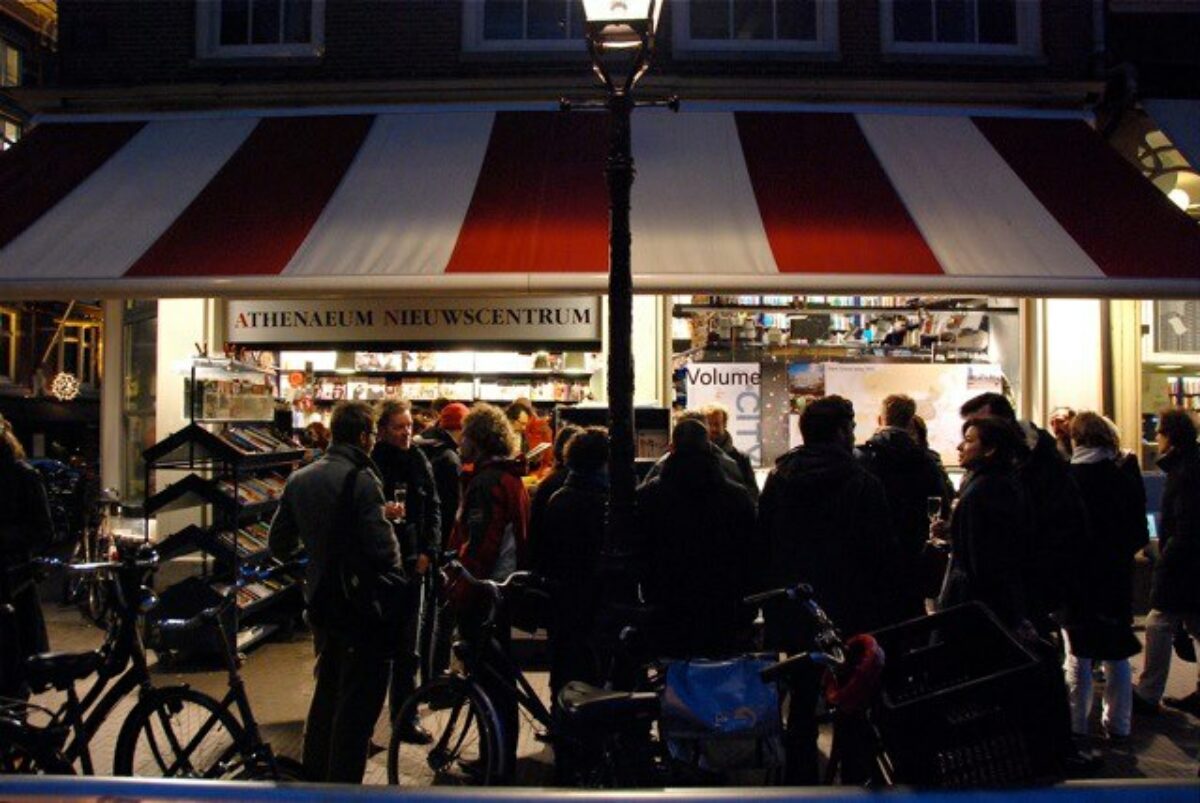
With Volume #34 we present the latest in New Town development: the city as enterprise. On Friday January 11th we launched the new issue at Athenaeum in Amsterdam. Click here for a photo series that was published on Facebook.

Crisis Busting
Brendan Cormier

Our friends over at the Third Lisbon Architecture Triennale Close, Closer have put together a small grant program for architects to propose start-up civic projects in the city of Lisbon. Aptly titled Crisis Buster the program is close to our hearts, in offering opportunities for civic engagement and unsolicited urban interventions. Deadline for applications is February 18th 2013.

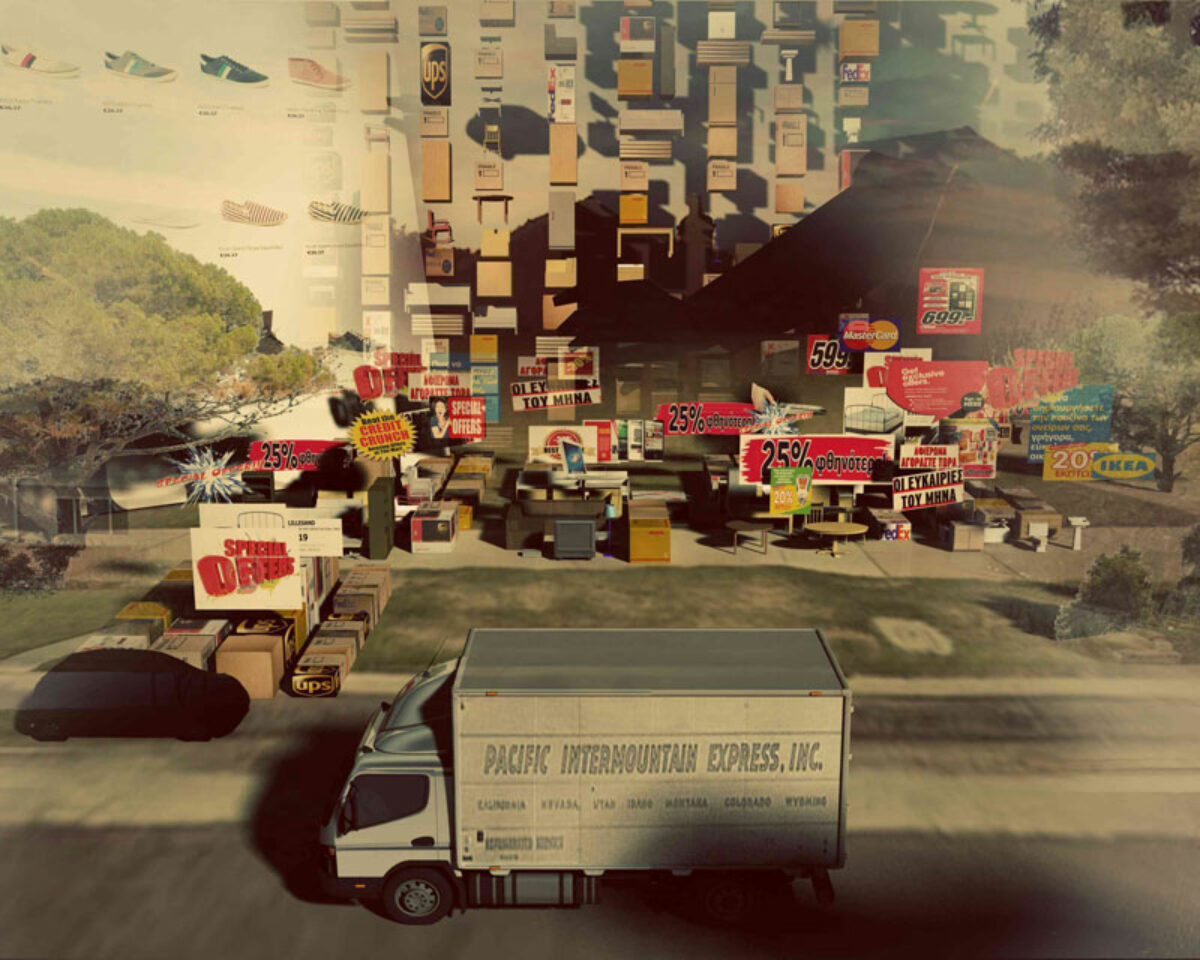
Dirk van den Heuvel sits in his home office contemplating the problem of stuff; more specifically, the rupture between the modern (architectural) urge to create a coherent interior space, and the modern (consumer) urge to accumulate and consume. From Andreas Angelidakis’ images of houses collapsing under the weight of piled up ‘things’, to the Smithsons’ efforts to reign in consumption through a form of ‘exquisite flower arrangement’, Dirk stares at has own unruly stacking of books, printers, and office supplies, adjusts his curtains, and begins his writing.

Playboy Architecture in Maastricht
Brendan Cormier
Volume #33: Interiors

Volume will be premiering its latest issue, Volume #33: Interiors, this Saturday in Maastricht at the opening of Playboy Architecture, 1953-1979 at NAiM/Bureau-Europa. This issue will feature an insert edited by Beatriz Colomina following research on Playboy's role in linking lifestyle with architecture in the postwar period.

Win Tickets for Urbanism Week 2012!
Jeroen Beekmans

After a successful first edition in 2011, coming September the second edition of the Urbanism Week will be held, organized by POLIS – platform for urbanism TU Delft. Last year more than 200 students and 80 professionals from different nationalities took part in the workshops, lectures and debates. This year’s theme will be “Second Hand Cities, re-thinking practice in times of standstill”. The reason for this year’s theme was to share alternative solutions to the same problems cities all over the world have been experiencing for the last years during this recession. New cities are no longer designed in Europe. Instead we have to deal with what we have and redesign them such that they can sustain after their first lifespan. Many questions come to mind, questions such as: What is the role of the citizen these days? What is the best way of engaging with citizens and getting them involved in projects? It is time to explore new ways of making city. How can virtual networks help us find these ways?

0